

Responsible gambling is easier when it is treated as a practical routine rather than a vague promise to “play safely.” For Canadian adults considering casino grizzlys quest, the important questions are whether limits are available, how quickly they take effect, and what happens when a player wants stronger protection. The details below focus on account controls and decision-making, not on game selection or promotional value.
Which controls can help before a session begins?
The most useful safeguard is a spending limit chosen before gambling starts. The available account information describes daily, weekly and monthly deposit-limit settings. These can create a firm boundary around how much new money enters the account during a selected period. A deposit limit does not guarantee that a player will stop playing, but it can prevent an impulsive decision from immediately becoming a larger deposit.
A sensible limit should reflect money that remains affordable after rent, food, transport, debt payments and ordinary savings. It should not be based on an expected win or on the belief that losses will soon be recovered. Someone who is unsure what amount is affordable can begin with no gambling budget at all, or use a very small amount that has already been separated from essential finances.
Limits work best when combined with a pause before depositing. Check the proposed amount, the time available, and the reason for playing. If the answer is “to win back yesterday’s loss,” postponing the session is usually safer than raising the limit. Account records and transaction views may also help reveal whether deposits are becoming more frequent or larger than originally intended.
How should session reminders fit into a safer routine?
Deposit controls address money, while session reminders address time. The published account information identifies session reminders as one of the responsible-gambling tools. Their purpose is to interrupt the absorbing flow of a session and prompt a player to reconsider how long they have been active. That interruption matters because time can pass unnoticed when games are fast, continuous and easy to reopen.
When a reminder appears, treat it as a decision point rather than an inconvenience. Stop the game, check the clock and review the amount spent since the session began. If the planned time or budget has been reached, sign out instead of extending the session. A short break away from the screen can make it easier to distinguish planned entertainment from chasing losses.
It is also useful to create personal rules outside the account. For example, decide not to gamble while working, drinking, upset or tired, and avoid borrowing money for play. Keep gambling separate from regular banking where possible, and do not treat loyalty points, promotional credits or an apparent winning streak as available income. These habits remain valuable even when a platform’s built-in reminders are enabled.
What should happen when limits no longer feel sufficient?
A deposit limit is designed for routine control, not every situation. If a player repeatedly increases limits, deposits soon after losing, hides gambling from family, or feels unable to stop, stronger action may be appropriate. Self-exclusion is a more decisive account restriction intended to prevent access for a chosen period or under the operator’s stated process.
The available information says that self-exclusion requests and some other controls may require contact with support. Before making the request, read the stated terms carefully and ask what period applies, when access will end, and whether marketing messages or promotional communications will also stop. Do not assume that closing one account automatically blocks gambling with every other operator.
Support can explain the account procedure, but it cannot replace personal or professional help. The Responsible Gambling Council’s information resources provide an independent Canadian reference point for safer gambling and support-related information. If gambling is affecting housing, relationships, work or mental health, speak with a qualified counsellor or a trusted person rather than trying to solve the problem through another wager.
Where do provincial differences matter?
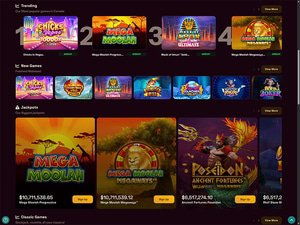
Online gambling rules and availability are not identical across Canada. An operator may serve some provinces while excluding others, and a website’s language, currency or Canadian branding does not by itself establish that every resident is eligible. The source information states that access depends on province and applicable terms, and that promotions are unavailable to Ontario residents because the operator is not registered with iGaming Ontario.
This distinction is important for responsible decisions. Do not rely on a review, search result or another player’s experience to determine whether an account is permitted in your location. Check the operator’s current eligibility wording and the requirements that apply to your province before creating or funding an account. If the information is unclear, ask support for a written explanation before proceeding.
Local differences can also affect the controls shown in an account, the payment methods available and how identity checks are handled. A feature visible to one player may not appear for another. Keep records of limit requests, support conversations and account notices, particularly if access changes after a move or a verification review. Responsible use includes confirming that the service matches your location and circumstances.
How can you review whether your plan is working?
A control is useful only if it changes behaviour in practice. Once a limit or reminder has been set, review account activity at regular intervals. Look at deposits, withdrawals, session length and the occasions when you played outside your original plan. A simple written record can expose patterns that are easy to miss when each transaction is considered separately.
Use these questions during a review:
- Did gambling stay within the amount and time decided in advance?
- Did you increase a limit or deposit after losing?
- Did gambling interfere with sleep, work, relationships or essential spending?
- Did you feel relief when playing, or anxiety about stopping?
If the answers show repeated difficulty, do not respond by setting a larger limit or searching for a more attractive offer. Reduce access, request self-exclusion and seek support. Also remember that demonstrations or short play sessions cannot prove that a game is safe, profitable or suitable for you. The clearest sign of a workable plan is not a temporary win; it is the ability to stop without financial or emotional pressure.
Frequently asked questions
Can a deposit limit guarantee that I will not lose more?
No. A deposit limit restricts new funds added to an account, but it does not predict game outcomes or address money already available in the balance. It also may not cover other operators. Use it alongside time limits, spending records and, when needed, self-exclusion or independent support.
What should I do if I want to reverse a self-exclusion request?
Do not assume reversal is immediate or available. Read the operator’s responsible-gambling terms and contact support to understand the applicable process. If you requested exclusion because gambling felt difficult to control, consider speaking with a counsellor or trusted person before seeking renewed access.
Are responsible-gambling tools identical for every Canadian player?
Not necessarily. Provincial eligibility, account status, verification reviews and local operating conditions can affect which controls are displayed or how requests are handled. Check the current account terms for your location, and ask support to clarify any difference before depositing or relying on a particular feature.